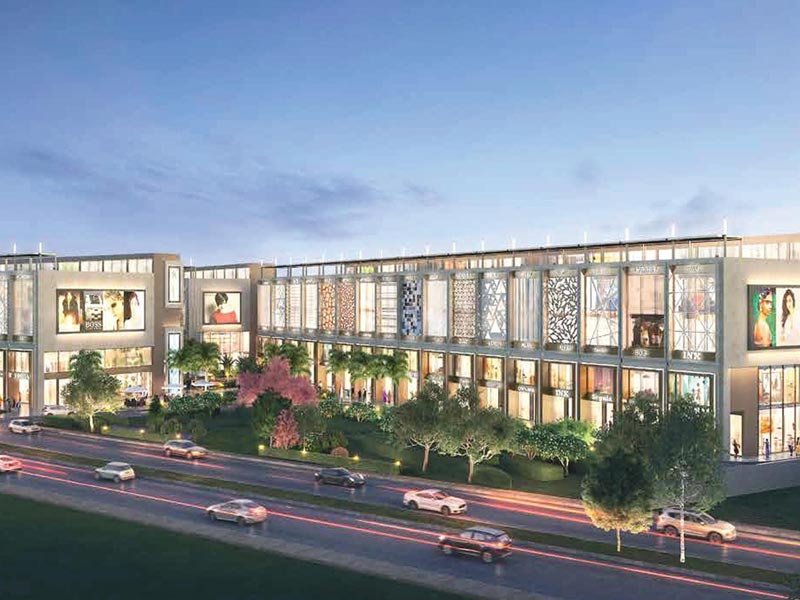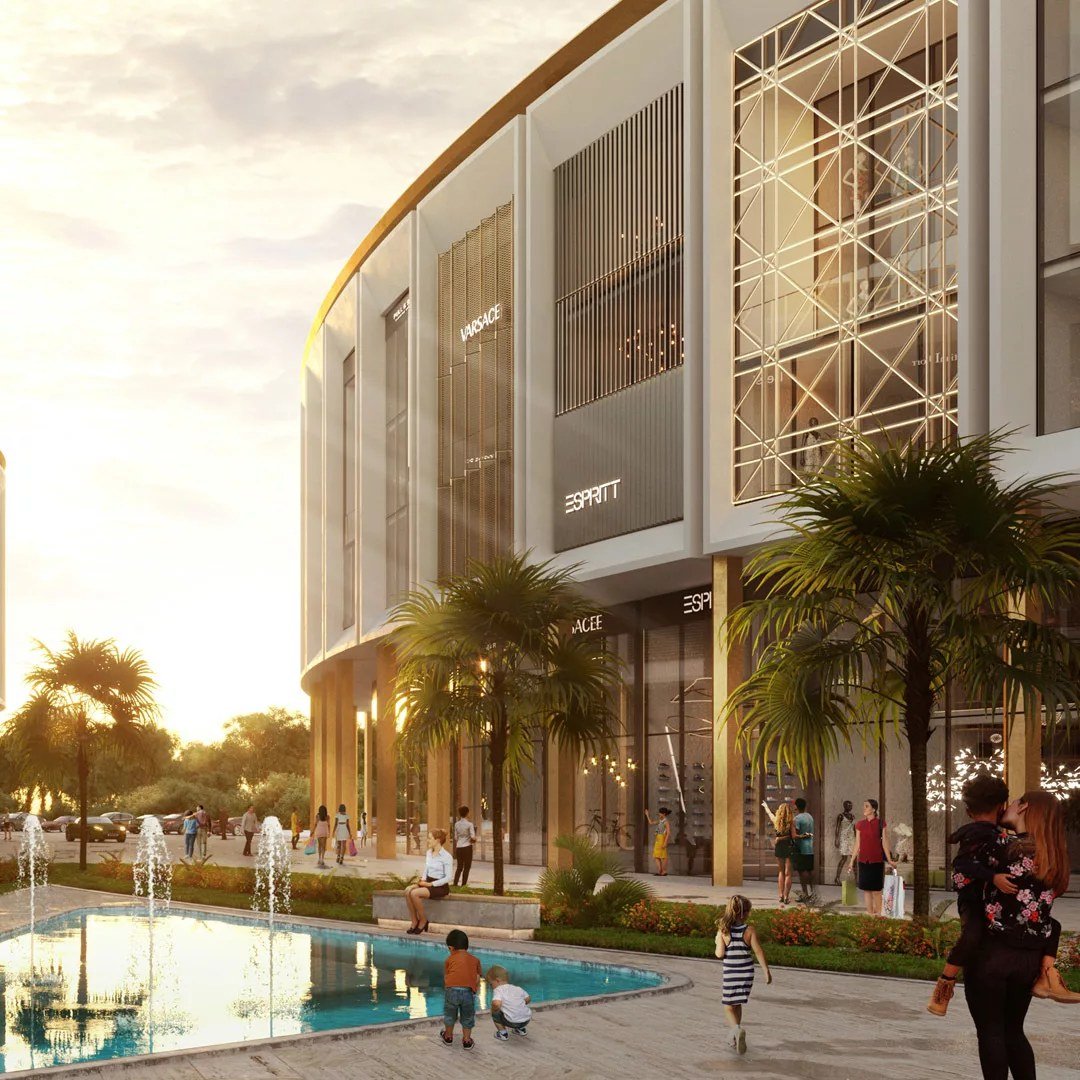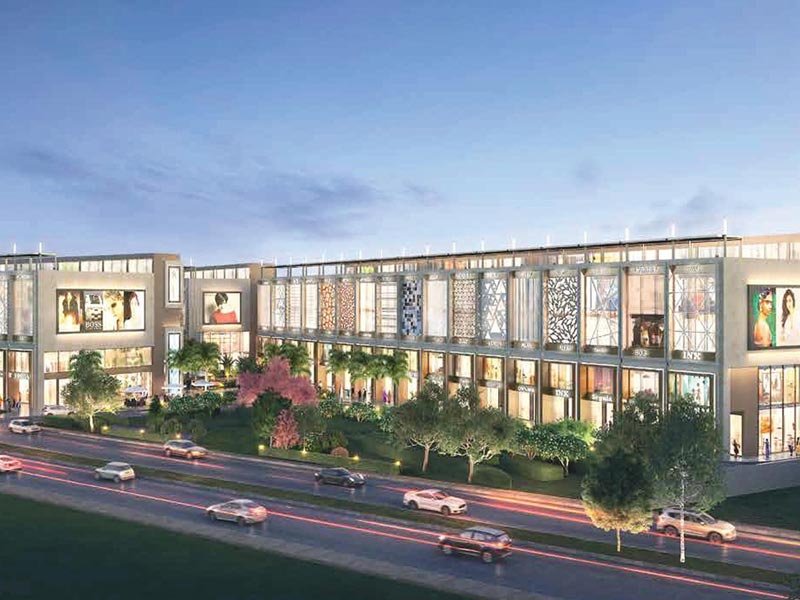
If you've been hearing the term "SCO plot" mentioned around every second Gurugram commercial pitch lately, you're not imagining it — SCO has quietly become one of the most talked-about commercial real estate formats in the city, and DLF is one of the most active developers building them. This guide walks through everything a first-time buyer needs before evaluating a DLF SCO plot: what the format actually means, how DLF's current SCO projects compare, what pricing and buying actually look like, and the documentation you should insist on before any money changes hands.
What Does SCO Mean?
SCO stands for Shop-Cum-Office. It's a plotted commercial format, formalised under Haryana's town planning rules, that allows a single freehold plot to carry a retail shop at ground level and multiple additional floors of office, showroom, clinic or studio space above it — usually Ground+3 or Ground+4, depending on the specific project's sanctioned building envelope. The defining feature isn't the mixed use itself; plenty of commercial buildings mix retail and office floors. What makes SCO distinct is the ownership model: the buyer owns the underlying land, not just a unit carved out of someone else's building.
That single distinction — land ownership versus unit ownership — is why SCO has grown from a niche plotted format into one of the more actively traded and discussed commercial categories in Gurugram's real estate market over the past several years. It gives commercial buyers something residential plot buyers have always had and shop buyers in malls have never had: control over the asset from the ground up.
Why DLF Specifically?
DLF is one of the largest and longest-established developers operating in Gurugram, with a portfolio that spans independent floors, mid-market and ultra-luxury residential towers, and a growing commercial plotted portfolio that includes SCO. Buying an SCO plot within a DLF-planned layout means the roads, setbacks, parking allocation and overall facade language of the stretch are managed as part of a single master plan, rather than emerging piecemeal the way independently developed high streets sometimes do. For a commercial buyer, that planning discipline directly affects how the street looks and functions once it's built out — which in turn affects footfall, tenant interest and how the plot's value holds up over time.
Good to know: DLF currently has four live SCO plot projects in Gurugram — DLF Arcade 68 (Sector 68), DLF Central 67 (Sector 67), DLF Alameda Central (Sector 73, inside DLF Alameda) and DLF Gardencity Central (Sector 84, inside DLF Garden City). See the full comparison on our DLF SCO Plots hub page.
Comparing DLF's Four Live SCO Projects
The four projects split naturally into two location types, and understanding that split is the fastest way to narrow your shortlist.
Golf Course Extension Road: DLF Arcade 68 & DLF Central 67
DLF Arcade 68 sits in Sector 68 and DLF Central 67 in the adjoining Sector 67, both directly on the Golf Course Extension Road corridor. This is one of Gurugram's most densely residential stretches, with a large and still-growing catchment of apartment and floor residents living within a short radius. Standalone sector-road SCO plots like these tend to draw retail brands, F&B operators and clinics that want direct road visibility and don't need a captive, gated customer base to succeed — the road traffic and surrounding residential density largely do that work.
Township High Streets: DLF Alameda Central & DLF Gardencity Central
DLF Alameda Central sits inside DLF Alameda in Sector 73, and DLF Gardencity Central sits inside DLF Garden City in Sector 84. Both function as the built-in commercial high street for a large, already-planned residential township — meaning a meaningful share of potential footfall is effectively guaranteed by the number of households living inside the same township, rather than depending entirely on passing sector-road traffic. This can appeal to buyers who want a more predictable, lower-volatility catchment, though it also means performance is tied more closely to how quickly and fully the township itself gets occupied.
Neither location type is universally "better" — they suit different tenant profiles and different investor risk appetites. A grocery, salon, pharmacy or day-care operator, for instance, often does very well on a township high street precisely because the customer base is captive and habitual. A destination F&B brand or a large-format retail showroom, on the other hand, may prefer the open road visibility and larger catchment of a Golf Course Extension Road plot.
What Actually Happens When You Buy an SCO Plot
It helps to walk through the SCO ownership journey step by step, because it differs meaningfully from buying a ready shop.
- You buy the plot — a defined land parcel within the project's sanctioned layout, at a size and location (corner, mid-block, road- or park-facing) you select from what's available.
- You engage your own architect and contractor to design and construct the building within the permitted Ground+3 or Ground+4 envelope, subject to the applicable building bye-laws and any design guidelines the project layout specifies.
- You obtain the necessary building plan approvals before construction, and a completion/occupancy certificate once built, per the local municipal authority's process.
- You lease or operate from the completed building — either to a single tenant across the ground floor and upper floors, or to multiple tenants floor-wise, depending on your leasing strategy.
This is a fundamentally more hands-on process than buying a ready strata shop, where the developer hands over a finished, lease-ready unit. The trade-off for that extra effort and time is the flexibility and ownership structure discussed above — plus, in many cases, a lower entry price at the plot stage compared with a fully built and fitted-out commercial unit in a comparable location.
Pricing: Why "On Request" Is the Honest Answer
Every serious SCO listing you'll see — including all four DLF SCO projects covered here — lists pricing as "on request," and that's not marketing evasiveness. SCO pricing genuinely depends on plot size, corner versus mid-block position, road- or park-facing orientation, the specific project and sector, and the current sales and construction stage of that project, which shifts over time as inventory sells and construction progresses. A number quoted today may not hold in three months. The only reliable way to get a price you can act on is to request the current, project-specific price list directly — which our sales desk can provide for any of the four live DLF SCO projects, along with the applicable payment plan.
Documents You Should Ask For Before Booking
Regardless of how reputable the developer, treat SCO plot due diligence with the same rigour you would apply to any large land purchase:
- HRERA registration number for the specific project and phase
- Sanctioned building plan confirming the permitted floor format
- Title chain and land ownership documents for the underlying parcel
- Complete cost breakup — base price, any development charges, preferential location charges, GST, stamp duty and registration
- Payment plan schedule, whether construction-linked or time-linked
- Details of common area maintenance once the surrounding high street is operational
A credible sales desk will walk you through every one of these without hesitation, and you should get everything in writing before any token payment is made.
Who Should — and Shouldn't — Buy an SCO Plot
SCO plots tend to suit buyers who fall into one of two camps: retail and F&B operators who want to design and own their own outlet rather than lease a standard mall shell, and commercial investors who are comfortable managing a short construction phase in exchange for the long-term flexibility and freehold ownership the format offers. They tend to suit less well buyers who want a purely passive, income-from-day-one asset with no construction involvement at all — for that profile, a ready, leased strata shop or office unit may be a more direct fit, even though it comes with the trade-offs of strata ownership discussed in our companion piece, DLF SCO Plots vs Traditional Retail Shops.
A Balanced View on Risk
No commercial property format is risk-free, and SCO plots carry their own specific set of considerations. Construction cost overruns, delays in approvals, and the pace at which surrounding plots in the same project get built and occupied can all affect how quickly a newly built SCO unit starts generating rental income. Buyers evaluating the investment case specifically should read our dedicated piece, Is Investing in DLF SCO Plots a Good Idea?, which goes deeper into yield expectations and risk factors.
Understanding Plot Sizes and Building Norms
SCO plot sizes vary from project to project and are typically released to the market in a defined range rather than a single fixed number, so buyers can choose a footprint that matches their budget and intended use — a smaller plot suiting a single retail-plus-office layout, and a larger one suiting a bigger format store, restaurant or multi-tenant office building. Alongside the plot size, every project carries its own sanctioned building norms — the permitted number of floors (Ground+3 or Ground+4 across DLF's current SCO portfolio), ground coverage, setback requirements from the road and neighbouring plots, and parking norms. These norms aren't optional guidelines; they're enforced through the building plan approval process, so any design your architect proposes has to work within them. It's worth requesting the exact building norms document for your shortlisted project early in your evaluation, rather than after you've already engaged an architect, since it directly shapes what's feasible on a given plot.
One detail that's easy to overlook: corner plots and plots with dual road frontage typically command a premium over mid-block plots, because they offer two visible facades instead of one — a meaningful advantage for a retail or F&B tenant. If your evaluation is investment-led rather than owner-operator-led, it's worth weighing whether that premium is justified by the incremental rental or resale value a corner position is likely to command in the specific project you're considering, since the premium doesn't scale identically across every micro-market.
Financing an SCO Plot Purchase
Commercial plot financing works differently from home loans, and it's worth understanding the shape of it before you assume a purchase can be funded the same way a residential floor or apartment might be. Banks and NBFCs do offer commercial property loans and construction finance against SCO plots, but loan-to-value ratios, interest rates and eligibility criteria for commercial land purchases are generally more conservative than for residential purchases, and construction finance is often disbursed against verified construction milestones rather than as a single lump sum. If financing is part of your plan, it's worth having a preliminary conversation with your bank or a property finance advisor about eligibility and likely loan terms before you commit to a specific plot and payment plan — that sequencing avoids the awkward situation of being contractually committed to a payment schedule your financing can't actually support.
Common Mistakes First-Time SCO Buyers Make
A few patterns show up repeatedly among first-time SCO buyers, and most are avoidable with a bit of forethought. The first is underestimating total cost — focusing on the plot price alone and not budgeting realistically for construction, architect and contractor fees, utility connections, and the inevitable overruns that come with any construction project. The second is skipping RERA and title verification because the developer is well known — brand reputation is a reasonable starting point for trust, but it isn't a substitute for checking the specific project's registration and documentation. The third is treating verbal assurances about rental demand or footfall as guarantees — no legitimate sales desk can guarantee tenancy or yield, and any pitch that does so should be treated with caution. The fourth is not visiting the actual site before booking, relying instead on brochures and renders that can flatten out details — road width, plot orientation, neighbouring plot activity — that materially affect how the location performs once built. Avoiding these four mistakes alone puts a first-time buyer well ahead of the curve.
Tax and Compliance Basics to Be Aware Of
SCO plot transactions carry the standard tax and compliance considerations that apply to commercial real estate in Haryana — GST implications on the transaction (where applicable, depending on the construction stage at which you buy), stamp duty and registration charges on the sale deed, and ongoing property tax once the building is constructed and operational. These figures change periodically with government policy, so rather than quote specific rates here that may be outdated by the time you read this, we'd recommend confirming the current applicable rates with our sales desk or a qualified chartered accountant at the time of your purchase. It's also worth asking your accountant about how rental income from an SCO building factors into your overall tax planning, particularly if you intend to lease multiple floors to different tenants under separate agreements.
Resale Value: What Tends to Drive It
Resale value on an SCO unit is shaped by a combination of factors that are worth tracking even if you plan to hold long-term rather than flip. The quality and completeness of your own construction matters — a well-designed, well-finished building with efficient floor plates is easier to lease and resell than a bare-minimum structure. So does the occupancy and footfall level of the surrounding high street; a fully built-out, well-tenanted stretch supports stronger resale pricing across every plot in it than one where several neighbouring plots remain vacant or under construction. Broader micro-market trends — new metro connectivity, retail and social infrastructure opening up nearby, and the pace of residential absorption in the surrounding sectors — also play a role over a multi-year holding period, though none of these can be predicted with certainty at the time of purchase. Tracking the construction and occupancy pace of your specific DLF SCO project, and of the surrounding sector generally, is a reasonable ongoing exercise for any owner thinking about resale timing.
Final Thoughts
SCO plots reward buyers who do their homework — on the specific project, the micro-market, the construction process and the fine print of the payment plan — more than most ready-to-move commercial formats do, simply because more of the outcome is in the buyer's hands. DLF's four live SCO projects give Gurugram buyers a reasonably wide choice across two distinct location types, at a stage where early pricing and plot selection are typically at their most favourable. If you're ready to take the next step, our sales desk can walk you through current availability, pricing and a site visit for any of the four projects.