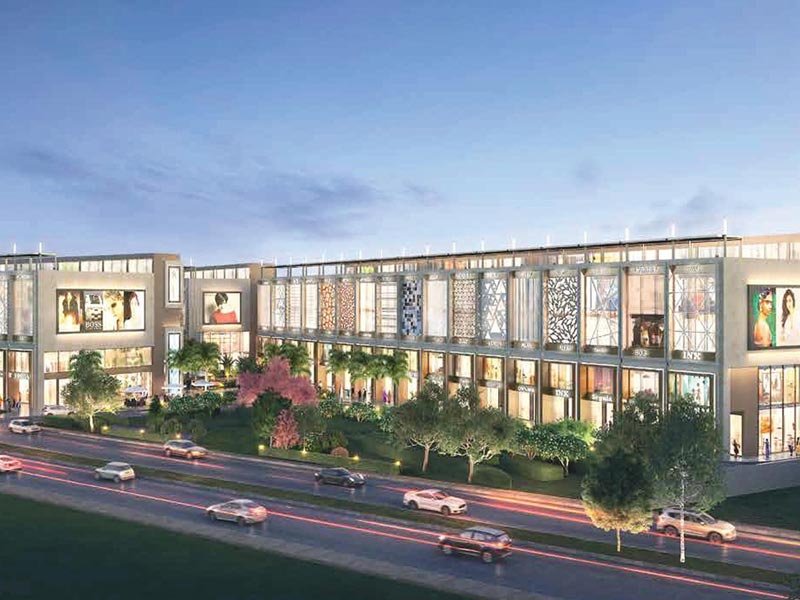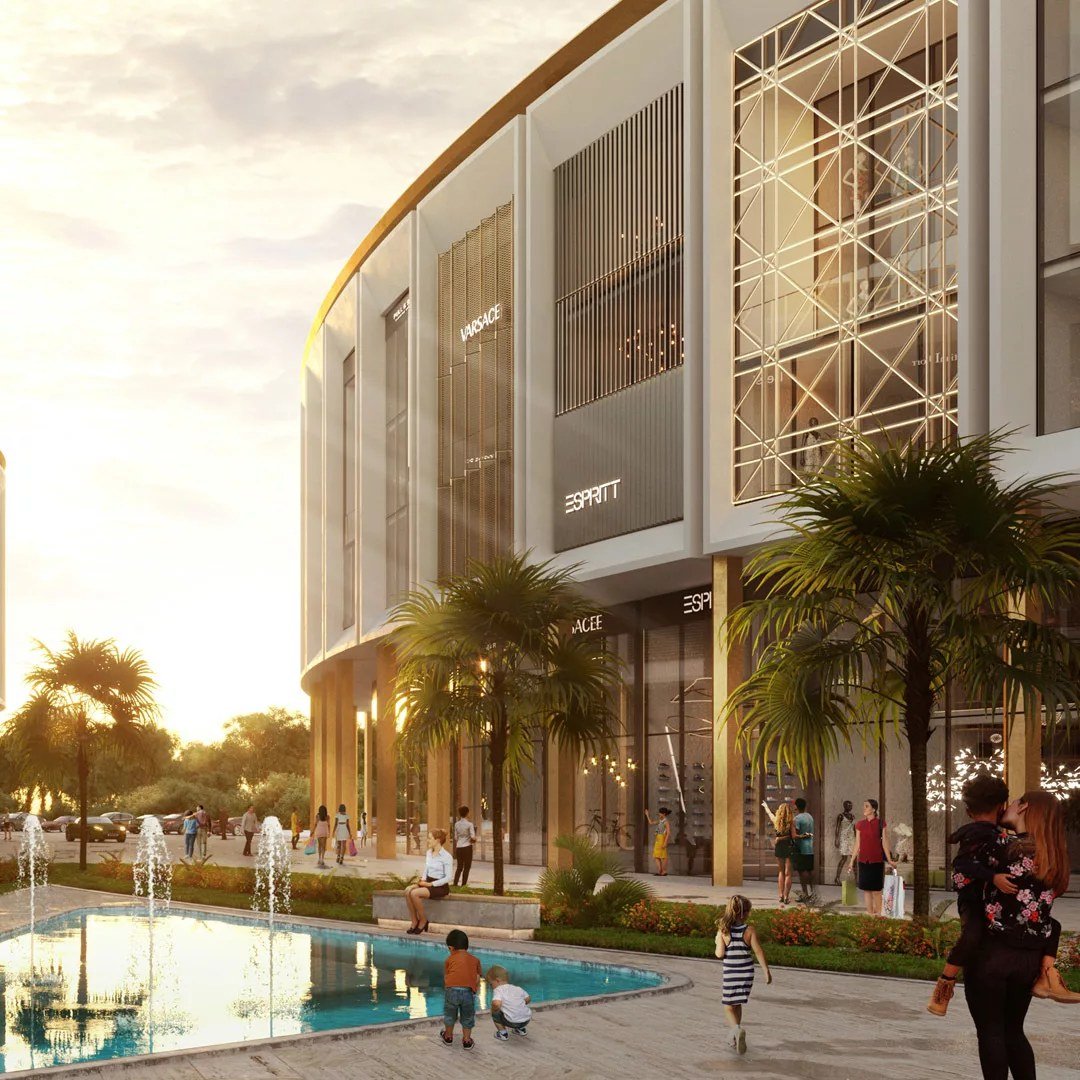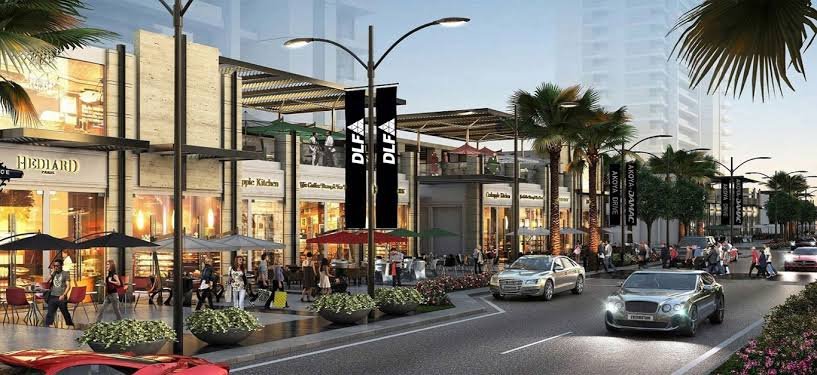
Every commercial property buyer in Gurugram eventually asks some version of the same question: should I buy a plot and build my own shop, or buy a ready unit inside a mall or commercial complex? There's no universal right answer, but there is a clear-headed way to compare the two formats — on ownership, cost, control and yield — so you can match the format to your own goals rather than your last conversation with a broker.
The Core Structural Difference
An SCO (Shop-Cum-Office) plot is a freehold land parcel — you own the ground it sits on and the building you construct on it, subject to sanctioned norms. A traditional retail shop, whether inside a mall or a builder-constructed commercial complex, is almost always a strata-titled unit — you own the four walls of that specific unit, while the land, structure, common areas and shared services remain the collective responsibility of the developer or an owners' association. This single distinction cascades into nearly every other difference between the two formats, from how much control you have over design to how maintenance charges are structured to how the asset behaves at resale.
In short: SCO plots trade a construction runway for ownership and control. Ready retail shops trade some of that control and freehold ownership for immediate, lease-ready possession. Neither is inherently superior — the right choice depends on your timeline, risk tolerance and how hands-on you want to be.
Side-by-Side: SCO Plot vs Strata Retail Shop vs Independent Office Unit
| Factor | SCO Plot | Strata Retail Shop | Independent Office Unit |
|---|---|---|---|
| Ownership type | Freehold land + self-built structure | Strata title on the unit only | Strata title on the unit only |
| Time to possession | Longer — construction required first | Shorter — ready or near-ready shell | Shorter — ready or near-ready shell |
| Design control | High — full building design, within norms | Low — interior fit-out only | Low — interior fit-out only |
| Upfront cost exposure | Plot price + construction cost | Single all-in unit price | Single all-in unit price |
| Ongoing dependence | Low — you manage your own building | High — tied to mall management & footfall | Moderate — tied to building association |
| Leasing flexibility | Single tenant or floor-wise, your choice | One unit, one tenant | One unit, one tenant |
| Resale drivers | Own build quality + high-street occupancy | Mall footfall, brand mix & management quality | Building occupancy & area demand |
Cost: A Closer Look Than the Headline Number
Comparing an SCO plot's price against a ready shop's price at face value is misleading, because they're not measuring the same thing. An SCO plot's quoted price is for undeveloped land — you then add construction, architect and contractor costs, utility connections, and time, before the asset is lease-ready. A ready retail shop's price is an all-in figure for a finished (or near-finished) shell, sometimes with basic fit-out already done. To compare fairly, calculate the SCO plot's total all-in cost — plot price plus a realistic construction budget — and compare that figure, and its associated timeline, against the ready shop's all-in price and its immediate possession. Depending on the specific projects being compared, the two can land closer together than the headline plot price alone would suggest, which is why we'd always recommend running this exercise with real, current numbers from our sales desk rather than assuming either format is automatically cheaper.
Control: The Single Biggest Differentiator
If there's one factor that most clearly separates SCO plots from strata retail shops, it's control. On an SCO plot, you decide the building's layout, facade treatment (within the project's design guidelines), floor heights, internal circulation and how many tenants you split the building across. In a mall or strata commercial complex, you're working within a shell someone else designed, subject to the mall's tenant mix policies, operating hours, signage rules and renovation approval processes. For a retail or F&B brand with a strong, specific design identity, that difference in control can matter enormously — it's often the deciding factor for operators who choose SCO plots specifically to build a flagship outlet exactly as they envision it, rather than adapting their brand to someone else's shell.
Ongoing Dependence: Whose Success Are You Tied To?
A strata retail shop's performance is partly out of the owner's hands — it depends on how well the mall or complex as a whole is managed, marketed and kept occupied with a strong tenant mix. A struggling mall drags down every shop owner inside it, regardless of how well any individual unit is run. An SCO plot largely decouples an owner from that collective dependency — your building's performance depends primarily on your own construction quality, tenant selection and the general health of the surrounding high street, rather than a single mall management company's decisions. That said, SCO owners aren't entirely independent either — a slow-to-occupy high street with several vacant neighbouring plots creates a milder version of the same collective-dependency problem, just with more owners sharing more direct control over the outcome.
Maintenance and Common Charges
Mall and strata commercial complexes typically carry higher common-area-maintenance (CAM) charges, since they fund large shared infrastructure — central air-conditioning, escalators, atrium spaces, mall-wide security and often collective marketing budgets. These charges are usually mandatory and can be a meaningful ongoing cost regardless of how your specific unit performs. SCO plot owners are responsible for maintaining their own building, and typically contribute a smaller amount toward shared high-street infrastructure like roads, common landscaping and shared security once the project's common areas are operational — generally a lower and more predictable ongoing cost than mall CAM, though this varies by project and should be confirmed with the specific project's maintenance framework.
Which Buyer Profile Suits Which Format
A useful way to decide is to be honest about your own priorities. If you want immediate possession and a hands-off entry into commercial real estate, and you're comfortable trading design control and freehold ownership for that convenience, a ready strata shop or office unit likely fits better. If you want full design control, freehold land ownership, and the flexibility to build a multi-tenant income property, and you're prepared to manage a construction phase before earning rental income, an SCO plot — like DLF Arcade 68, DLF Central 67, DLF Alameda Central or DLF Gardencity Central — is likely the better fit. Retail and F&B brands building a flagship outlet tend to lean SCO for the design control; investors seeking a purely passive, ready-to-lease asset with no construction involvement tend to lean toward ready strata units.
A Blended Approach
Some experienced commercial investors deliberately hold both formats — a ready strata unit for immediate, low-effort rental income, and an SCO plot for longer-term capital appreciation and higher control, accepting the upfront construction runway in exchange for what they see as a stronger long-term asset. Whether that blended approach fits your situation depends on your available capital and how actively you want to manage your portfolio — again, a conversation worth having with an independent financial advisor rather than deciding purely on a comparison article.
Questions to Ask Yourself Before Choosing
- Can I commit to managing a construction phase, or do I need income starting immediately?
- How important is full design control to my use case — am I an owner-operator with a specific brand identity, or a passive investor?
- Am I comfortable with the ongoing dependency on shared mall or complex management, or do I prefer more direct control over my asset's outcome?
- Have I compared the true all-in cost of both formats — including SCO construction costs — rather than headline prices alone?
Legal and Paperwork Differences Worth Knowing
The legal process behind each format differs in ways that affect both the buying experience and future flexibility. Buying an SCO plot involves a land sale deed, followed separately by building plan approval and, eventually, a completion or occupancy certificate once construction finishes — meaning your legal paperwork trail has more steps and stretches over a longer period than a ready-unit purchase. Buying a strata retail shop or office unit typically involves a single sale/conveyance deed for the unit, along with your share in the common areas as defined by the project's association or maintenance agreement — a more contained process, but one where your rights are, by definition, shared with every other unit owner in the building through that association. Neither process is inherently more complex or risky, but SCO buyers should budget more time and expect to engage more directly with municipal approval processes than a ready-unit buyer would.
The Tenant's Perspective: Why This Matters Even If You're Not Leasing It Yourself
It's worth briefly considering the format from a prospective tenant's point of view, because that perspective directly shapes how easily you'll lease your asset. A retail or F&B tenant renting space in an SCO building gets a landlord who can typically make faster, more direct decisions about signage, operating hours flexibility and any structural changes the tenant might request — because the landlord owns the entire building, not just a shared interest in it. A tenant renting a mall unit gets the benefit of shared marketing, security and a curated tenant mix the mall management maintains, but has to work within the mall's broader rules and often faces slower decision-making on anything that requires management approval. Some tenant categories — anchor F&B brands, clinics, and business services in particular — often prefer the direct-landlord relationship an SCO building offers; others, especially fashion and lifestyle retail brands that rely heavily on cross-shopping footfall, may specifically seek out mall locations for that reason. Understanding which tenant profile you're likely to attract is a useful input into deciding which format — and which specific project — fits your investment.
A Hypothetical Example: Two Investors, Two Formats
Consider two hypothetical investors with a similar budget, evaluating the same broad micro-market. The first buys a ready strata retail shop inside an established mall — she takes possession within weeks, signs a tenant within a couple of months, and starts collecting rent almost immediately, but her monthly return is reduced by a meaningful CAM charge, and her unit's value going forward depends heavily on how well that specific mall continues to perform. The second buys an SCO plot in a comparable location — he spends the next year managing architect appointments, contractor bids and municipal approvals before his building is ready to lease, delaying his first rental cheque by roughly that same year, but ends up owning the land and the entire building outright, with lower ongoing common charges and full control over future leasing decisions, including the option to occupy part of the building himself if his plans change. Neither investor made a mistake — they simply prioritised different things: speed and passivity in one case, control and long-term ownership structure in the other. This illustrative comparison is not based on any specific real transaction and is included purely to make the trade-offs concrete.
How This Plays Out Across DLF's Own Portfolio
DLF's Gurugram footprint gives a useful real-world lens on this comparison, since the developer operates in both categories. On the SCO side, DLF Arcade 68 and DLF Central 67 give buyers standalone, self-built plots on a high-visibility Golf Course Extension Road stretch, while DLF Alameda Central and DLF Gardencity Central place SCO ownership inside a captive township catchment. Buyers who've previously considered ready commercial space elsewhere in DLF's broader portfolio — office towers or retail-anchored developments — can use this same ownership-versus-control lens to compare those ready options against any of the four live SCO projects. The underlying trade-off doesn't change based on which specific project you're looking at: freehold land and design control on one side, ready possession and shared management on the other. What does change from project to project is the catchment profile, and that's worth evaluating independently of the ownership-format decision, using the location comparison covered in our DLF SCO Plots hub page.
One practical way to use this comparison: if you're drawn to the control and freehold ownership of SCO but are unsure which of the four live projects fits your budget and target tenant profile, start by narrowing on location type — sector-road frontage versus township high street — using the criteria discussed earlier in this piece, then request current pricing and plot availability for your shortlisted project or projects from our sales desk. That two-step approach — format first, then location — tends to produce a more considered shortlist than starting from a single project's marketing material alone.
Final Thoughts
There's no single "better" format between SCO plots and traditional retail shops — there's only a better fit for your specific goals, timeline and risk appetite. If you're still weighing the decision, start with our Complete Buyer's Guide to DLF SCO Plots for the fundamentals, or our investment and ROI breakdown if your primary lens is returns. And whenever you're ready to compare real numbers rather than headline prices, our sales desk can put together a like-for-like cost comparison across DLF's live SCO projects and any ready commercial inventory you're weighing them against.